
How to save your marriage: what it means when you both want to try
What does trying to save a marriage involve? A look at mutual willingness, honest conversation and changes that go beyond promises.

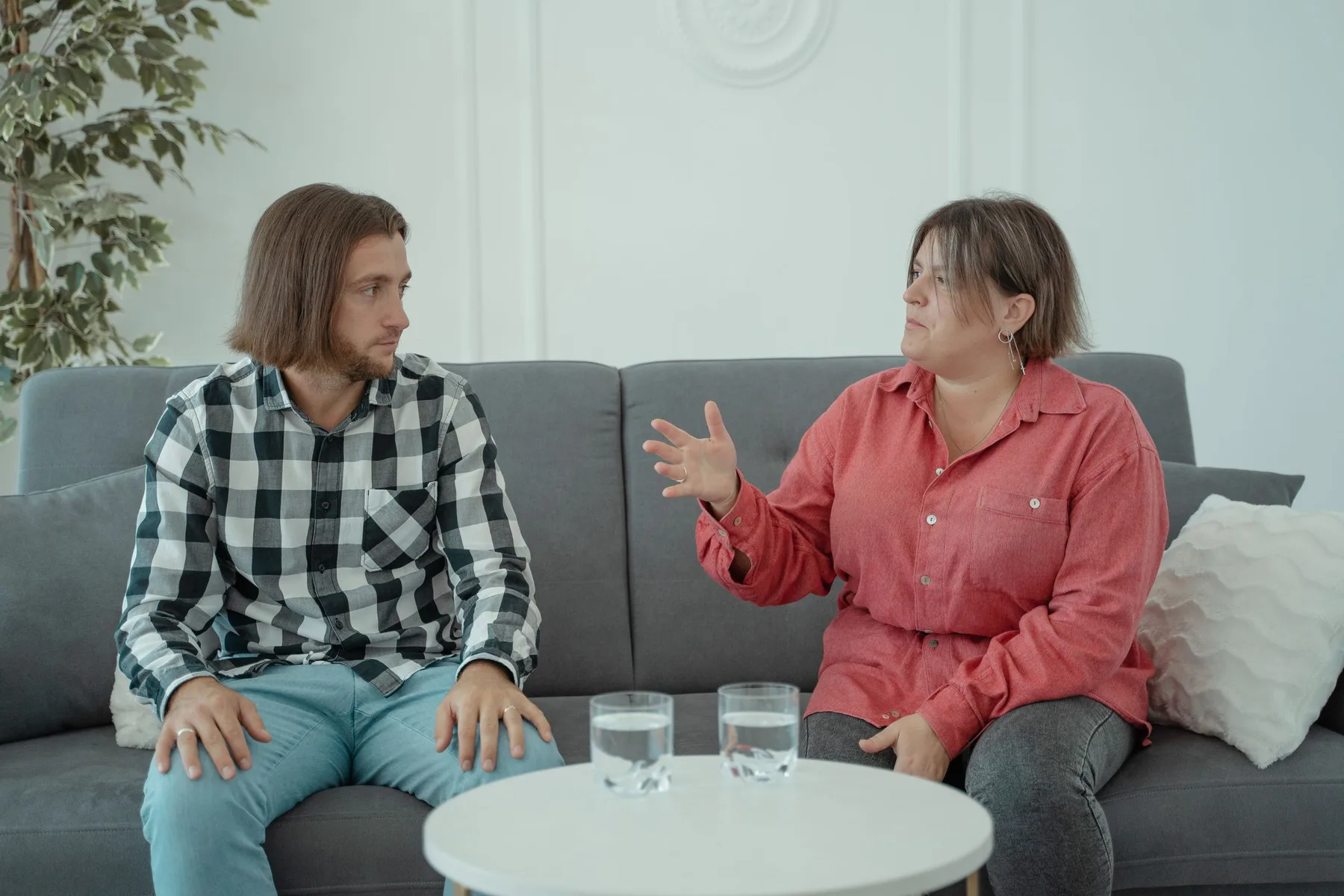
Perhaps you still share a bed, the bills and plans for a holiday. But you share less and less of what is actually going on inside you. Conversations have become practical arrangements, touches are fleeting, and the question “How are we doing?” somehow never comes up.
Then comes the bigger question: can this marriage be saved?
Rebuilding a relationship takes both people. One person can start the conversation and take the first step, but they cannot decide on the other’s behalf that they want to be in the relationship. And even wanting it together is no promise of a happy ending. It is the start of a conversation about what you are willing to change.
When a marriage runs on autopilot
In my work, I meet people who date the end of their marriage to the day they signed the papers. Once we start talking, months or years of growing apart emerge behind that date.
They stopped asking each other how they were. They stopped seeing each other as partners. Life carried on through sheer momentum, while the relationship got left somewhere behind the children, the mortgage, the responsibilities and all those “now isn’t the right time” moments.
Autopilot is handy when you know where you are going. It is rather less handy when you turn to the person beside you one day and realise you no longer know where the two of you stand.
That alone does not tell you whether you should stay together. But it gives you a reason to stop putting off the question: what is happening between us, and do we both want to try something different?
“I want to save our marriage” needs to become more specific
I often hear that people considered seeking help, but their friends talked them out of it: “That won’t help. You’ll just waste your time.”
Someone else’s disappointing outcome is not the answer to your question. But the person you turn to for help cannot bring back love, trust and closeness on your behalf either.
You can hire the best trainer in the world, but they cannot do your workout for you. In a relationship, though, there is more than your own part to consider. There is another person, with their own choices and boundaries.
So it is worth clarifying “I want us to stay together.” Does that mean you want everything to stay the same, except for the other person no longer being unhappy? Or are you willing to hear things that make you uncomfortable, acknowledge where you have hurt your partner, and change something in your own behaviour?
That question applies to both of you. Both people taking part does not mean you bear equal responsibility for every hurt. Each person is responsible for what they have done.
Where to begin when you both want to try
You do not have to resolve your entire marriage in one conversation. Start by trying to say clearly what you miss and finding out whether the other person is willing to listen and take part.
“I miss talking about us, rather than just our responsibilities. I want to try to change something. Do you?”
That is a different opening from “You never care.” It does not erase the problem, but it makes the reason you sat down to talk clearer.
Leave room for an answer you were not hoping for, too. “I don’t know” is not the same as “yes.” Do not agree to a fresh start on your partner’s behalf simply because it is difficult to hear that they are not sure yet.
If you both want to try, choose one specific agreement. “We’ll make more effort” sounds lovely, but tomorrow morning you might each have something different in mind.
Perhaps you agree to make time for a conversation without phones. Perhaps it is the fairer division of chores you have been discussing for months. What matters is that you both know what you have agreed and when you will talk again about how it is going.
Keeping an agreement is not a medal for saving your marriage. It is a small, concrete answer to the question of whether change is going beyond words.
If every attempt to talk brings you back to the same place, you can seek professional help. You do not have to wait until someone packs a suitcase to admit that you no longer know how to move forward on your own.
Closeness is not a task to get through
Love is not only a feeling. Love is a verb.
But when a relationship is in crisis, that does not mean you immediately need to come up with a seductive message or plan a sexy evening. If something hurts and remains unspoken, skipping straight to passion may miss what drove you apart.
Sometimes that verb is listen. Sometimes it is apologise without adding “but you did it too.” Sometimes it is do what you promised, even after the argument has died down.
Touch and flirting have their place when you both want them. If that step feels right for you, small gestures that bring you closer can be a way of showing each other that you see one another again. Sex is not proof that someone is trying hard enough, or an obligation that saves a marriage.
Trying does not mean staying at any cost
Rebuilding a relationship calls for a willingness to hear uncomfortable things, rein in your ego and apologise sincerely. But forgiveness cannot be demanded, and trust does not return simply because someone says, “But I promised.”
Some couples find a different, closer relationship after a crisis. Others realise they no longer want to continue together. A marriage ending does not automatically mean that someone did not try hard enough.
If there is violence, threats, coercion or fear of your partner’s reaction, safety matters more than attempting a conversation together. Seek support privately from a person or service that supports people experiencing abuse. You do not owe anyone putting yourself in danger to prove that you want to save your marriage.
You do not have to know today how your story ends. But if you both want to try, let that take shape in what you do, listen to and change. Love is a verb. And a verb calls for something to actually happen.
Petra Pinjuh
A coach, hypnotherapist and educator who works openly and professionally with relationships, intimacy and personal change.
More about Petra →Would you like to explore this topic through your own experience?
Related articles

A healthy relationship starts with a phone-free conversation
A relationship rarely turns into life with a flatmate overnight. Sometimes one small thing is missing: ten phone-free minutes in which partners truly see and hear one another again.
Read the article
Compromise in marriage: when agreement means giving up part of yourself
When does compromise support a relationship, and when does it hide unspoken needs? Petra explores agreement, boundaries and intimacy in marriage.
Read the article